
Leaders often say they want confident teams, yet confidence rarely grows through encouragement alone. Teams develop confidence when leaders create environments where people take responsibility, make mistakes without disproportionate consequences, and experience progress through their own effort.
Many leaders unintentionally disrupt that process. They step in too quickly when problems appear, reclaim work when pressure increases, or prioritize immediate results over long-term development. Each of those actions may solve the problem in front of the leader, but they quietly prevent the experience that actually builds confidence.
Confidence grows when leaders create the conditions where people can discover their own capability.
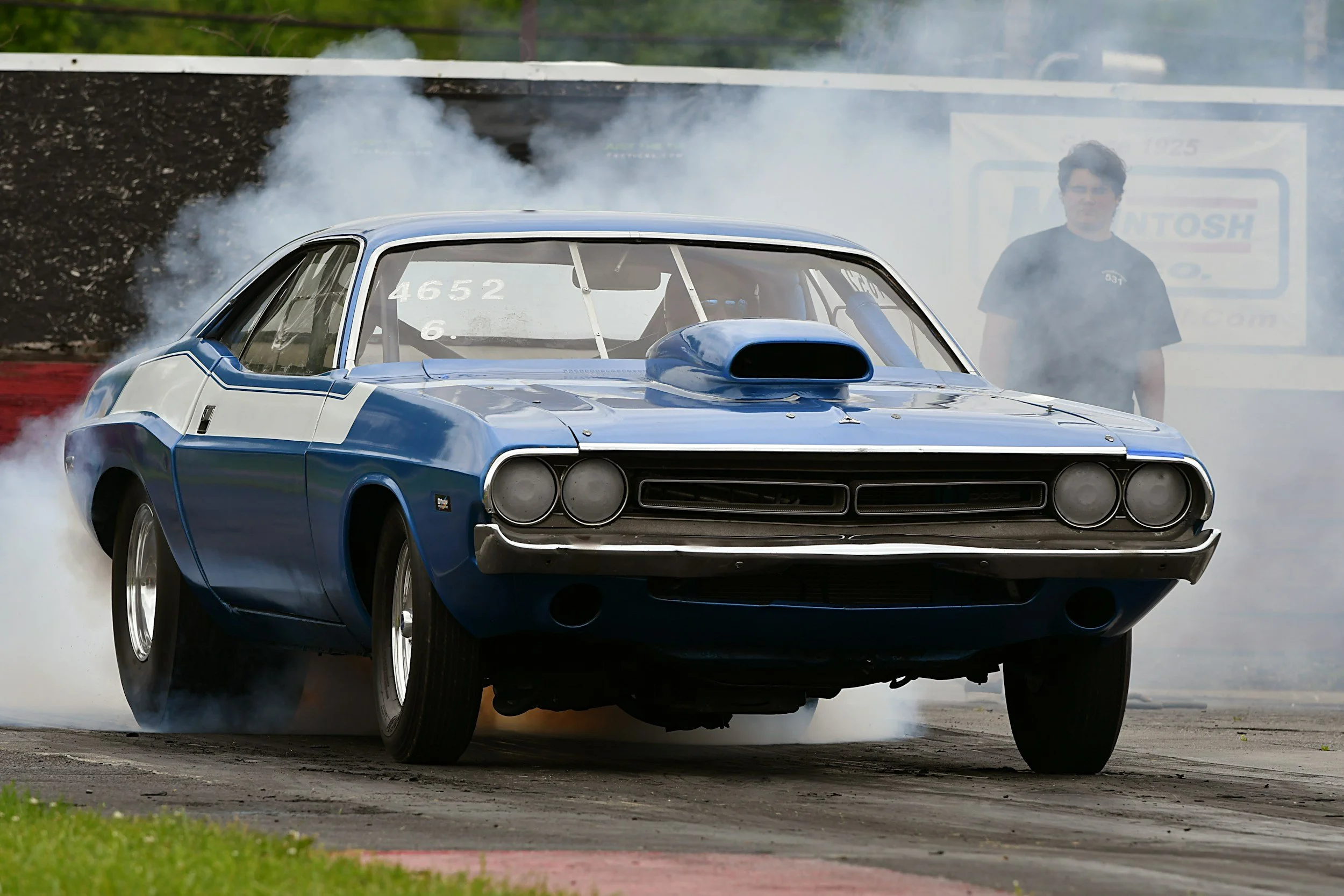
I’ve seen that pattern repeatedly in situations that have nothing to do with formal leadership roles. One of the clearest examples comes from teaching people how to drive a manual transmission car.
The first time someone learns to drive stick shift rarely feels smooth or natural. Coordinating the clutch, accelerator, and gear shift requires a type of timing that most new (and even many experienced) drivers have never practiced. The car lurches forward, the engine stalls, and the driver quickly becomes aware that everyone in the vehicle knows (and maybe even feels) exactly what happened.
Over the years I have taught quite a few people how to drive manual cars, including some of my own children and younger siblings. The learning process almost always follows the same pattern. At the beginning they hesitate, the engine stalls repeatedly, and each attempt ends with an apologetic glance toward the passenger seat.
Then the first smooth start happens.
The moment someone releases the clutch and the car moves forward without stalling, the reaction is almost always the same. Their face lights up with surprise and excitement. The next attempt may stall again, followed by a sheepish smile, but the shift has already begun. Soon they manage two clean starts in a row, then three, and eventually the clutch engagement becomes smooth enough that the movement of the car feels natural.
At that point something important has changed. They are no longer trying to survive the experience. They have begun to believe they can actually do it.
Leadership development follows a remarkably similar pattern.
Confidence does not grow because someone reassures us that we are capable. It grows because someone gives us the opportunity to experience capability and success firsthand.
Why Leaders Sometimes Undermine Team Confidence
Most leaders genuinely want their teams to feel confident and capable. Many believe they are actively supporting that outcome, yet two common leadership habits often prevent confidence from developing.
The first habit appears when leaders continue doing most of the work themselves while publicly giving credit to the team. Although this behavior can appear generous, teams almost always recognize what actually happened. They know who carried the responsibility and who did not. When leaders retain the real work, the recognition that follows does little to strengthen confidence.
Receiving credit rarely builds confidence. Carrying responsibility does.
Leadership thinkers have long emphasized the importance of empowerment in this process.
“Leaders become great not because of their power but because of their ability to empower others.”
John C. Maxwell
Good Leaders Ask Great Questions
The second habit appears when leaders focus primarily on results. Deadlines tighten, expectations increase, and development becomes secondary to execution. Teams may still deliver outcomes in the short term, but the leader remains the central performer. When the same person consistently solves the hardest problems, the organization becomes dependent on that individual rather than growing broader capability.
Leadership that multiplies requires a different orientation.
As responsibility expands, leaders must move from functional expert to organizational steward. The leader’s role shifts from personally producing results to developing the capability of others who can carry responsibility throughout the organization.
Confidence grows when leaders make that shift deliberately.
A Lesson About Confidence on the Ski Slope
I learned another version of this lesson years ago while teaching someone how to ski.
When I first learned to ski, a roommate took me to the top of a blue run, gave me a few quick instructions, and then left me there for several hours. Although the experience was memorable, I finished the day with a lot of bruises and frustrations. It was not an especially effective way to learn.
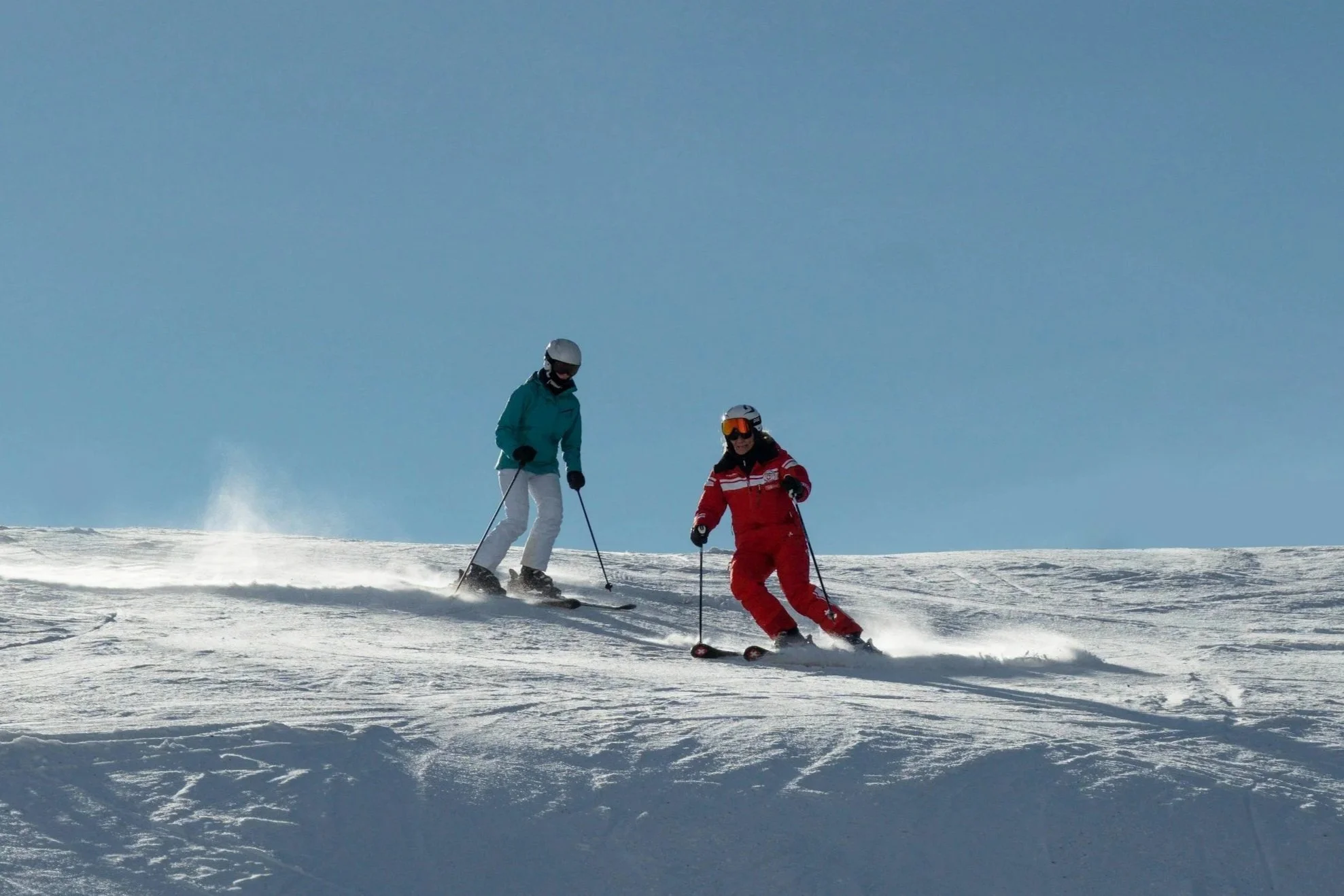
When I later had the opportunity to teach several of my friends how to ski, I approached the process very differently. We started on the bunny hill and spent time learning balance, basic movement, simple turns, and stops. I stayed nearby while they practiced and offered guidance when needed. As their confidence improved, we gradually progressed to green runs.
One particular moment has stayed with me. A friend who had recently moved beyond the beginner slope was skiing down a gentle green run with me nearby. Earlier in the day she had fallen several times, but halfway down the latest run her turns suddenly began linking together more smoothly. Her posture relaxed, and the tension that had been visible earlier began to disappear.
She turned toward me with a wide smile and exclaimed, “Look at me! I’m skiing!!”
From the perspective of someone watching from the chairlift, the run probably looked routine. For her it represented a turning point. In that moment she stopped feeling like someone who was trying to learn. She began to see herself as someone who could actually do it.
Leadership development often depends on moments like that.
Three Leadership Conditions That Build Confidence
Leaders cannot manufacture confidence through encouragement alone. Confidence develops when leaders create three conditions that allow people to experience growth through their own effort.
Responsibility Remains With the Learner
The person learning must carry real responsibility for the activity. When I teach someone to drive a manual car, I explain the principles and remain in the passenger seat to guide them if needed. They control the clutch, accelerator, and gear shift.
Contrast this with an instructor who never allows the learner into the driver’s seat. They’ll either never learn and give up, or will take multiples of time to learn how to do it. Leaders who retain the real work prevent confidence from forming because the team never experiences true ownership.
Failure Remains Survivable
Learning inevitably includes mistakes. Stalling the engine or falling on a ski slope does not represent failure; those moments represent the learning process at work. Leaders who create intentional guardrails allow people to make mistakes without catastrophic consequences. The environment still expects progress, but mistakes remain instructive rather than humiliating.
Trust becomes central in that environment.
“Trust is the confidence we have in one another’s integrity.”
Stephen M. R. Covey
The Speed of Trust
When leaders trust people with meaningful responsibility while maintaining reasonable guardrails, confidence develops naturally (and quickly).
Progress Becomes Visible
Confidence grows through visible progress. The first smooth clutch release, the first ski run completed without falling, or the first meeting someone leads independently all reinforce the belief that the responsibility placed before them is manageable.
Each small success expands a person’s sense of capability and gradually changes how they see themselves.
Leadership That Multiplies Capability
Many organizations unintentionally create environments where a small number of leaders remain the primary problem solvers. Those leaders attend every critical meeting, resolve most escalations, and complete work that others struggle to finish. Results may still appear, but capability does not spread throughout the organization.
Organizations that sustain growth approach leadership development differently.
“Great vision without great people is irrelevant.”
Jim Collins
Good to Great
Leadership that multiplies capability focuses less on heroic individual performance and more on expanding the number of people who can lead effectively. Leaders clear the path for others, establish intentional guardrails, and remain present without reclaiming responsibility.
Over time the results become visible. Ownership spreads, capability increases, and confidence begins appearing in places where it previously did not exist.
Sometimes the clearest signal that development is working appears in a simple moment when someone pauses in the middle of their work and realizes they are doing something that once felt impossible.
Leadership Reflection
Consider the people you are currently responsible for developing.
Where might you still be holding responsibility that someone else is ready to carry?
Do your systems treat mistakes as instructive moments that accelerate learning, or as failures people must avoid?
What small wins could help someone begin to see themselves differently?
Leadership that multiplies rarely comes from motivational speeches or recognition programs. It grows when leaders create environments where responsibility is real, learning remains safe, and progress becomes visible. Leaders stepping into broader responsibility often discover that the hardest transition involves learning when to step back so others can step forward. Outside perspective during those moments often helps leaders recognize where development opportunities exist and where their own habits may still be limiting the growth of others.